
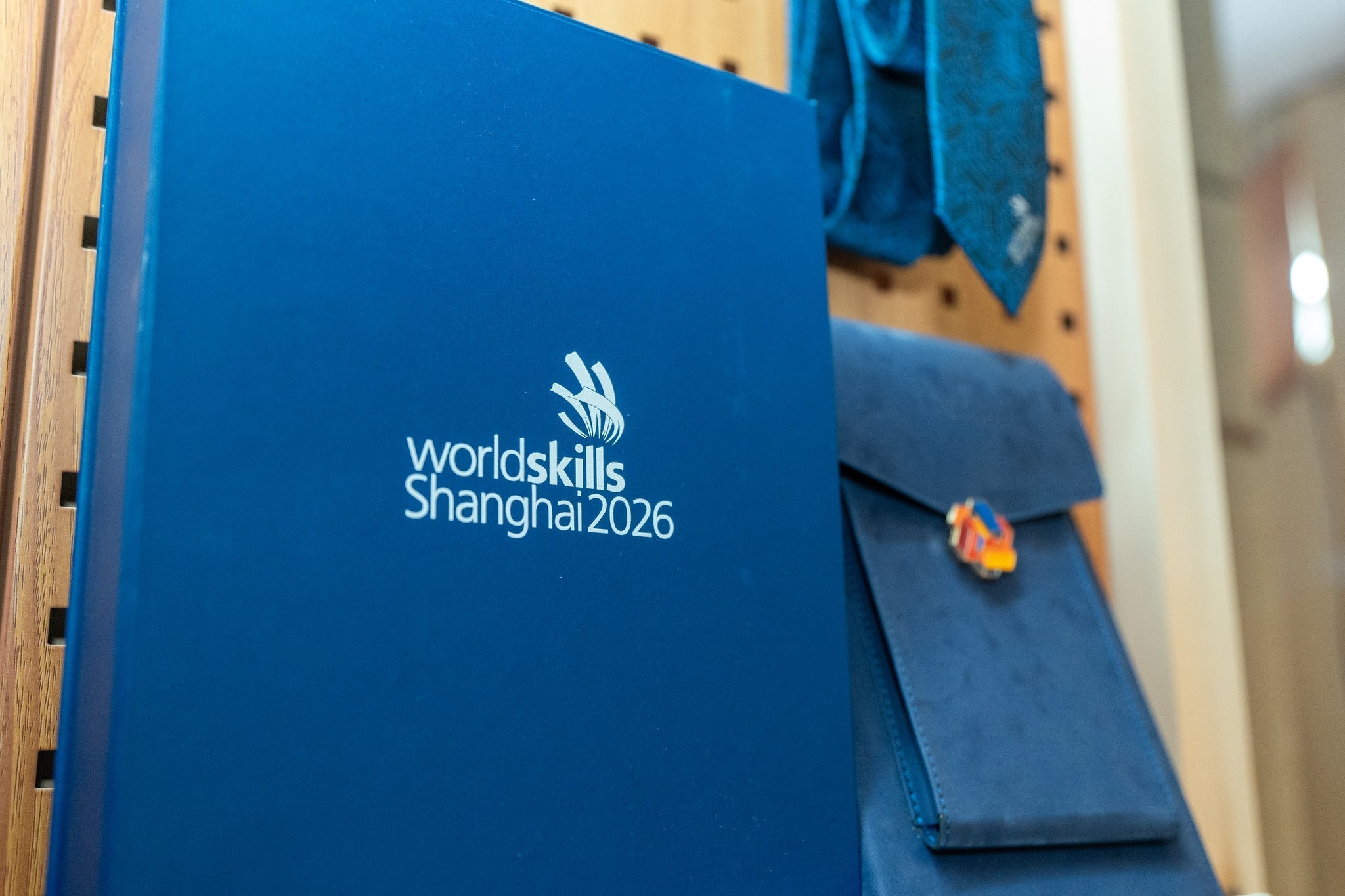
Somewhere in Shanghai this month, a young florist is standing behind a bench stacked with flowers they have never worked with before, a clock running down, and a judge walking the room with a clipboard. This is WorldSkills, the closest thing the trade has to an Olympics, and floristry has a place on the competition floor alongside carpentry, robotics, and pastry.
It runs from the twenty second to the twenty seventh of September, and almost nobody outside the industry seems to know it exists, which feels like a strange oversight for a trade this many people rely on for their happiest and hardest days.
Floristry gets filed under decoration more often than it gets filed under skill, which has always struck us as a little unfair. A good florist is reading colour theory in real time, managing the physical limits of a living material that wilts, bruises, and drops petals the moment you look away, and translating someone else's vision, a bride's, a grieving family's, a corporate client's, into something they could never have described in words themselves. None of that happens by instinct alone. It is trained, the same way a chef trains a palate or a carpenter trains an eye for a joint that will not shift after a year of use.
WorldSkills treats the craft with exactly the seriousness it deserves. Competitors are given a mix of set briefs and surprise tasks, then judged on technique, composition, and how well the finished piece would actually survive being handled, transported, and lived with. There is no room in that kind of judging for a lucky arrangement. Either the stems are cut and conditioned properly or they are not, and a judge who has been trained in the trade will notice within seconds.
WorldSkills itself is a genuinely global event, bringing together young professionals from dozens of countries across trades most people rarely think of as competitive at all. Floristry sits there alongside carpentry, hairdressing, and cooking, each one judged by the same underlying question: has this person mastered a craft well enough to perform it under pressure, in front of strangers, with no second attempt.
Nobody arrives at a competition like this by accident. Most competitors have spent years in an apprenticeship, the kind of slow, repetitive training that teaches a hand to trust itself, followed by months of focused preparation once they qualify for the national and then international rounds. They practise arrangements dozens of times over, not to memorise a single winning design but to build enough instinct that they can adapt when the brief on the day is not the one they expected.
That instinct is really the whole point. A florist who can only repeat one beautiful bouquet is a hobbyist. A florist who can walk up to an unfamiliar bucket of flowers and immediately see the arrangement hiding inside it, under time pressure, in front of a judge, has built something closer to a craft.
We are not a competition florist, and our bouquets are built for a different purpose than a judged bench in Shanghai. But every one of our arrangements still passes through hands that were trained the same way these competitors were, stem by stem, season by season, learning to see what a flower needs rather than forcing it into a shape it was never going to hold.
Kevin, our head florist, still talks about his own early training the way competitors describe preparing for events like this: hours spent simply learning how a rose wants to open, long before anyone let him near a client's order, and years more before he trusted his own eye enough to break a rule on purpose rather than by accident. That kind of patience rarely gets celebrated outside the trade, which is exactly why an event like WorldSkills matters. It puts a spotlight, briefly, on the years of unglamorous repetition that sit behind every bouquet anyone has ever received, whether it came from a competition bench or a Tuesday afternoon order.
You will not find WorldSkills results on the evening news, and the winner will not become a household name outside floristry circles. But somewhere in Shanghai this week, someone is proving, under a clock and in front of a judge, that this craft deserves to be taken exactly as seriously as any other, right alongside the trades that usually get all the attention.
We think that is worth a moment of recognition, even from the other side of the world.
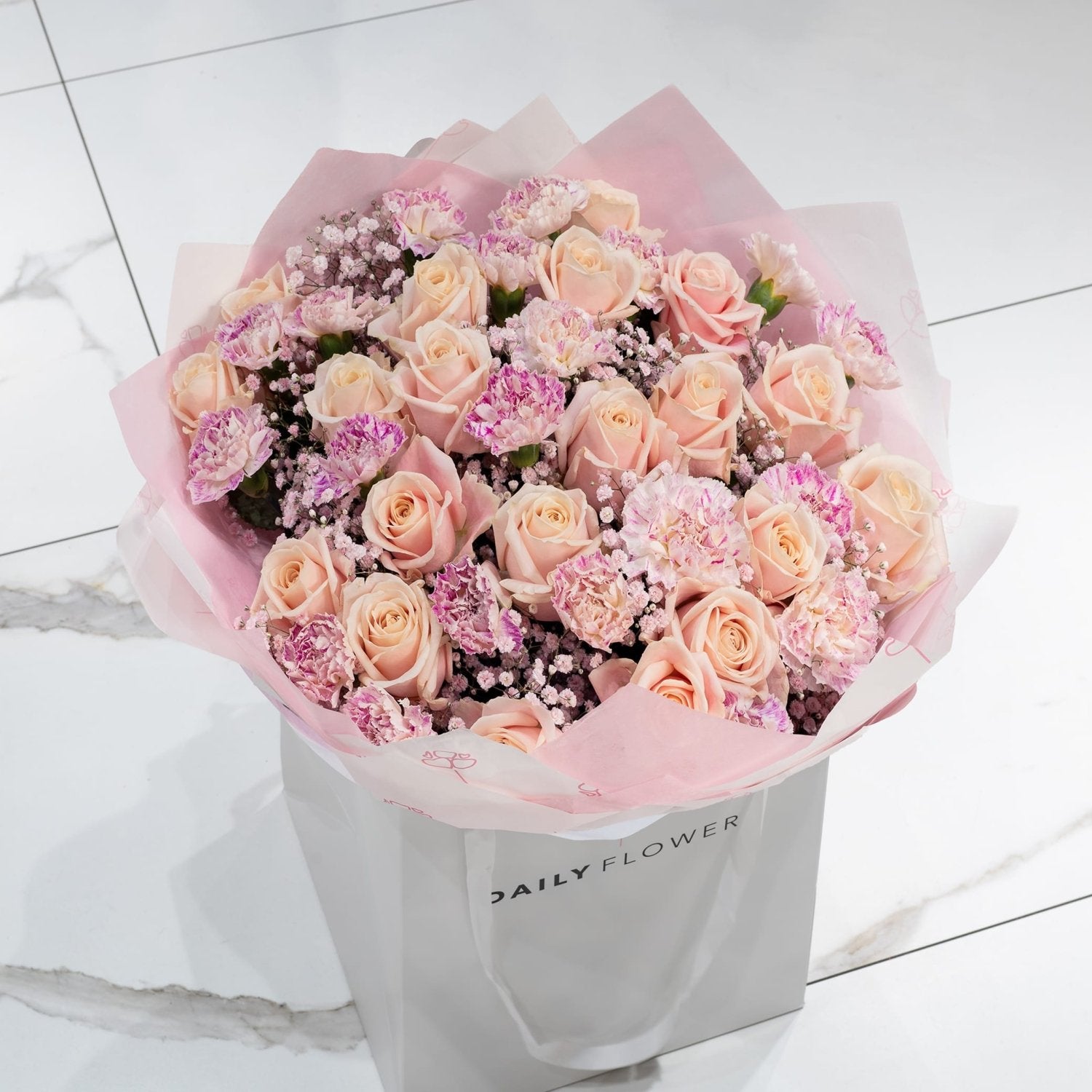
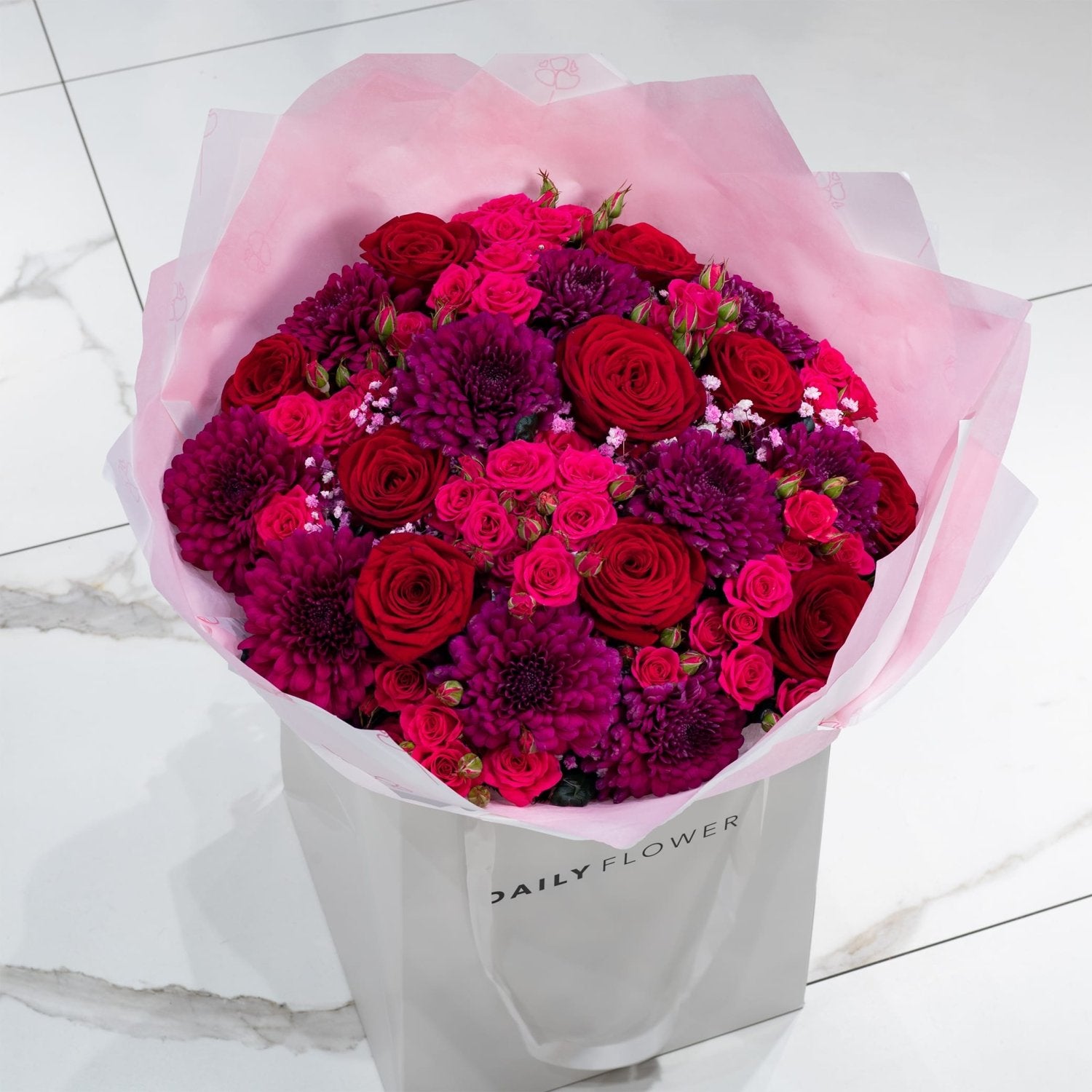
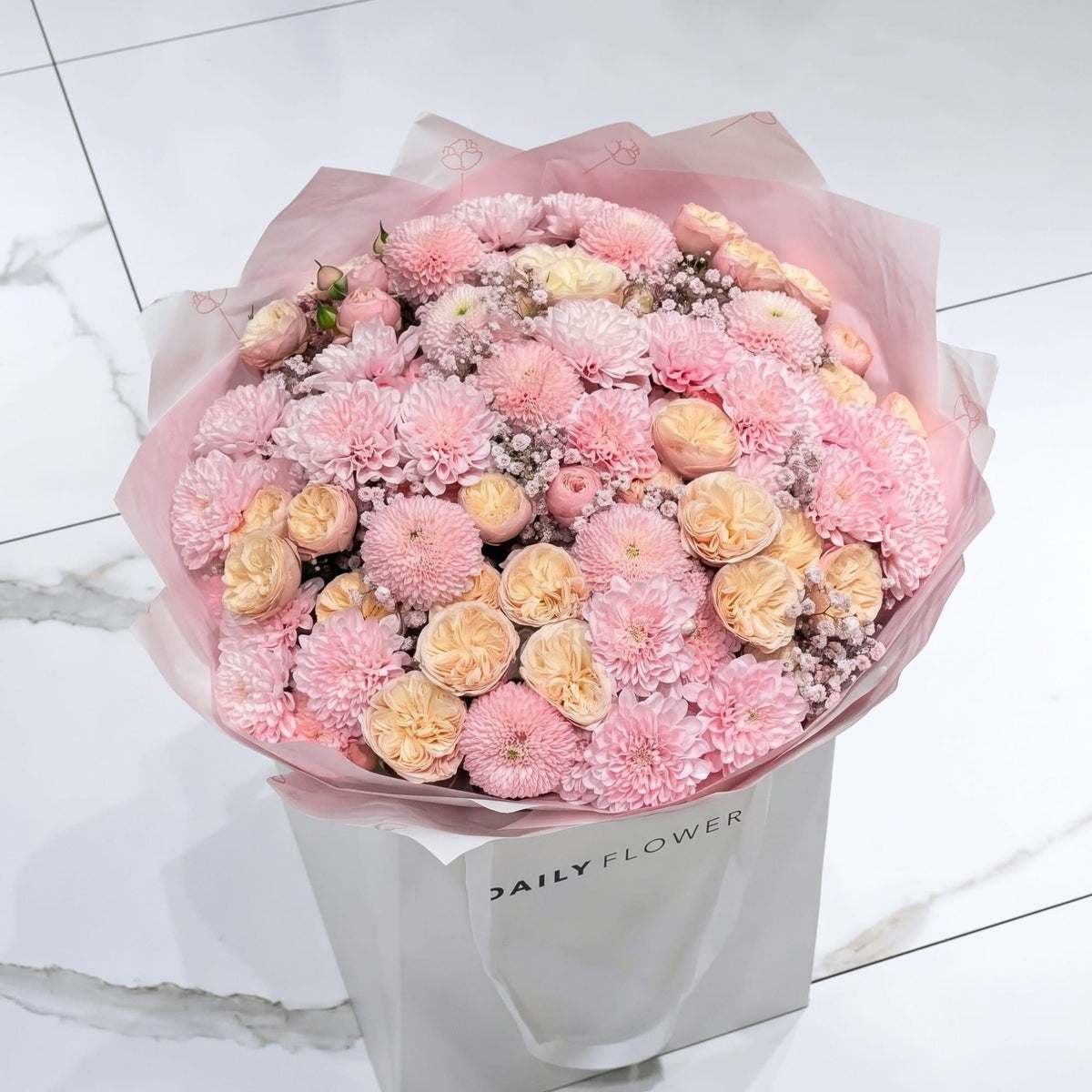
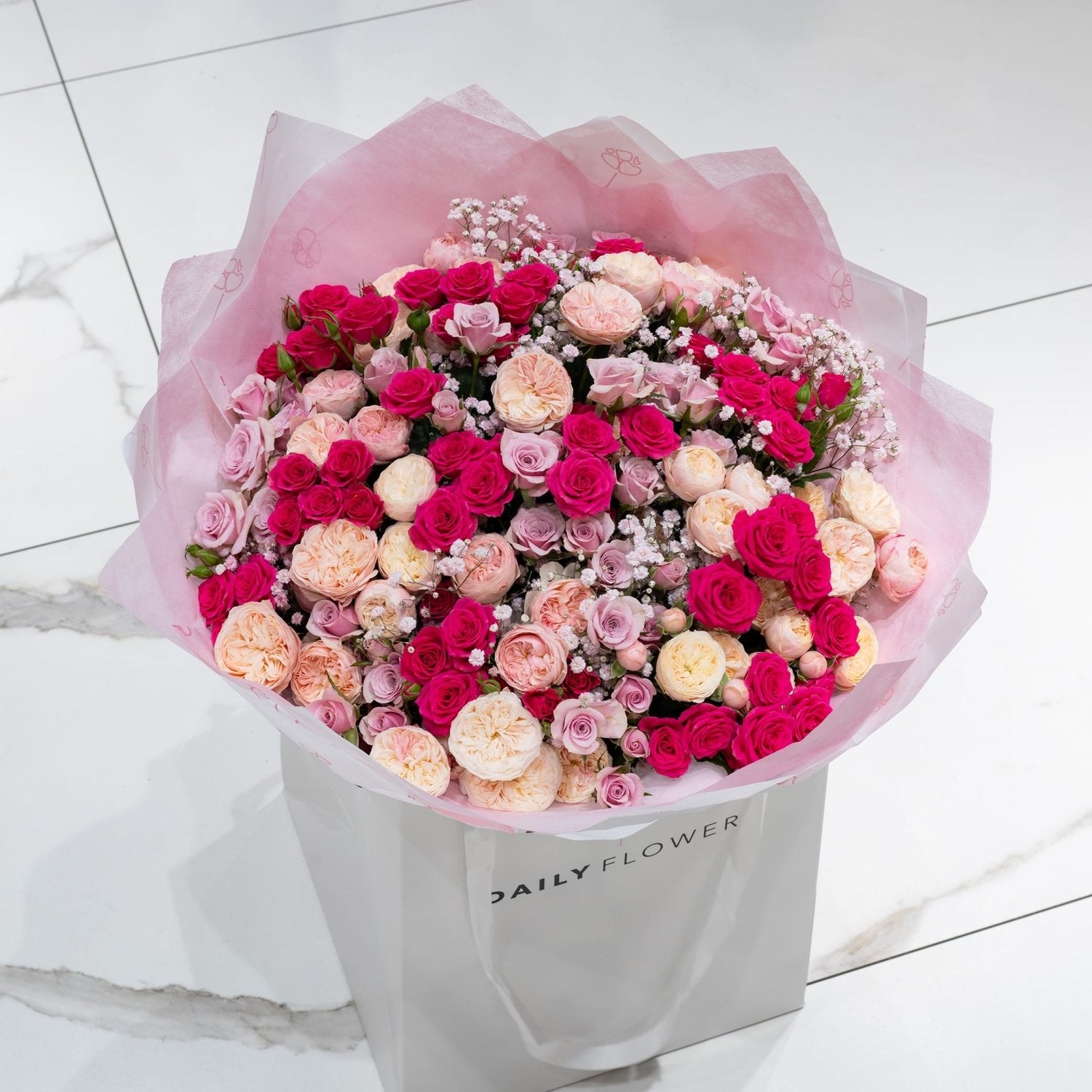
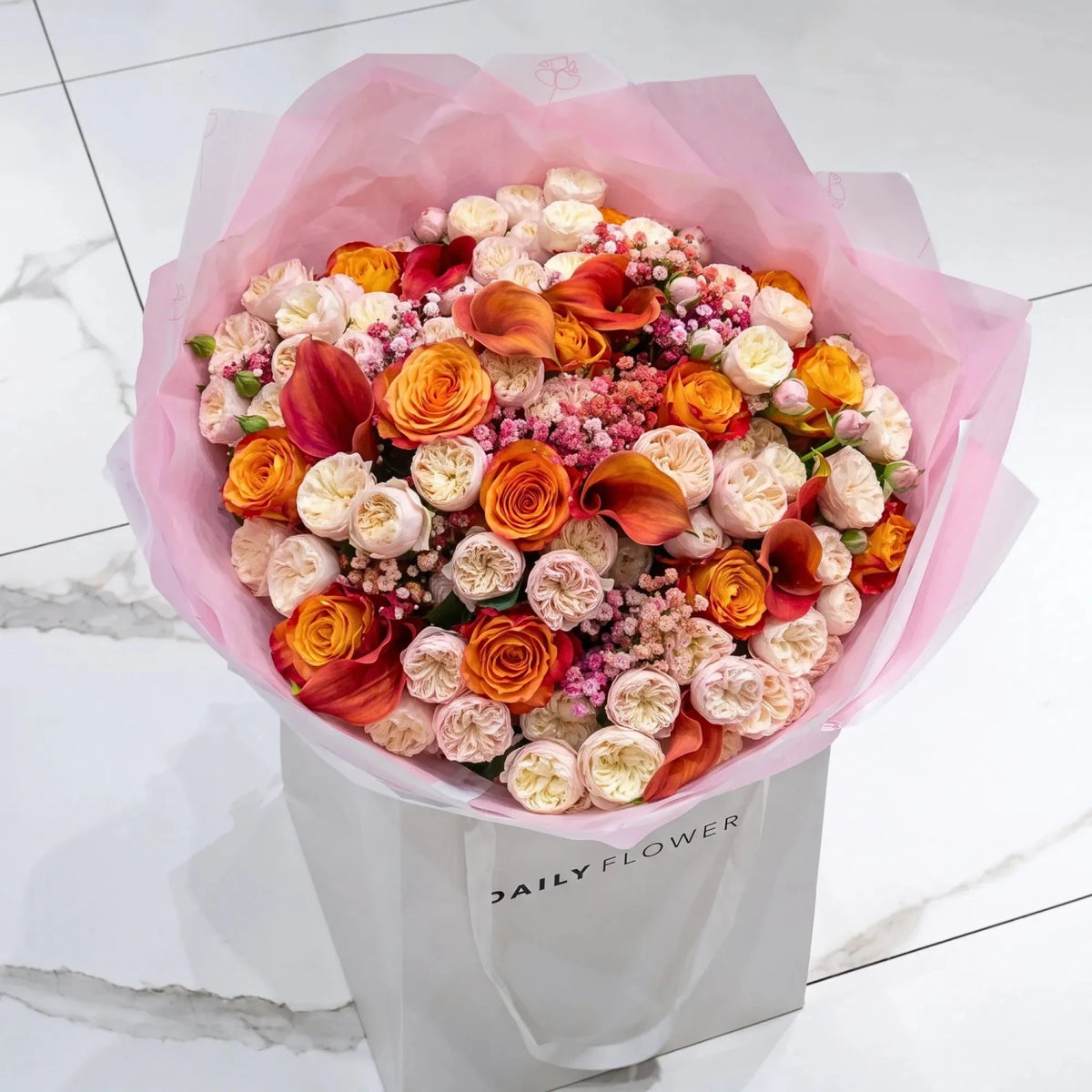
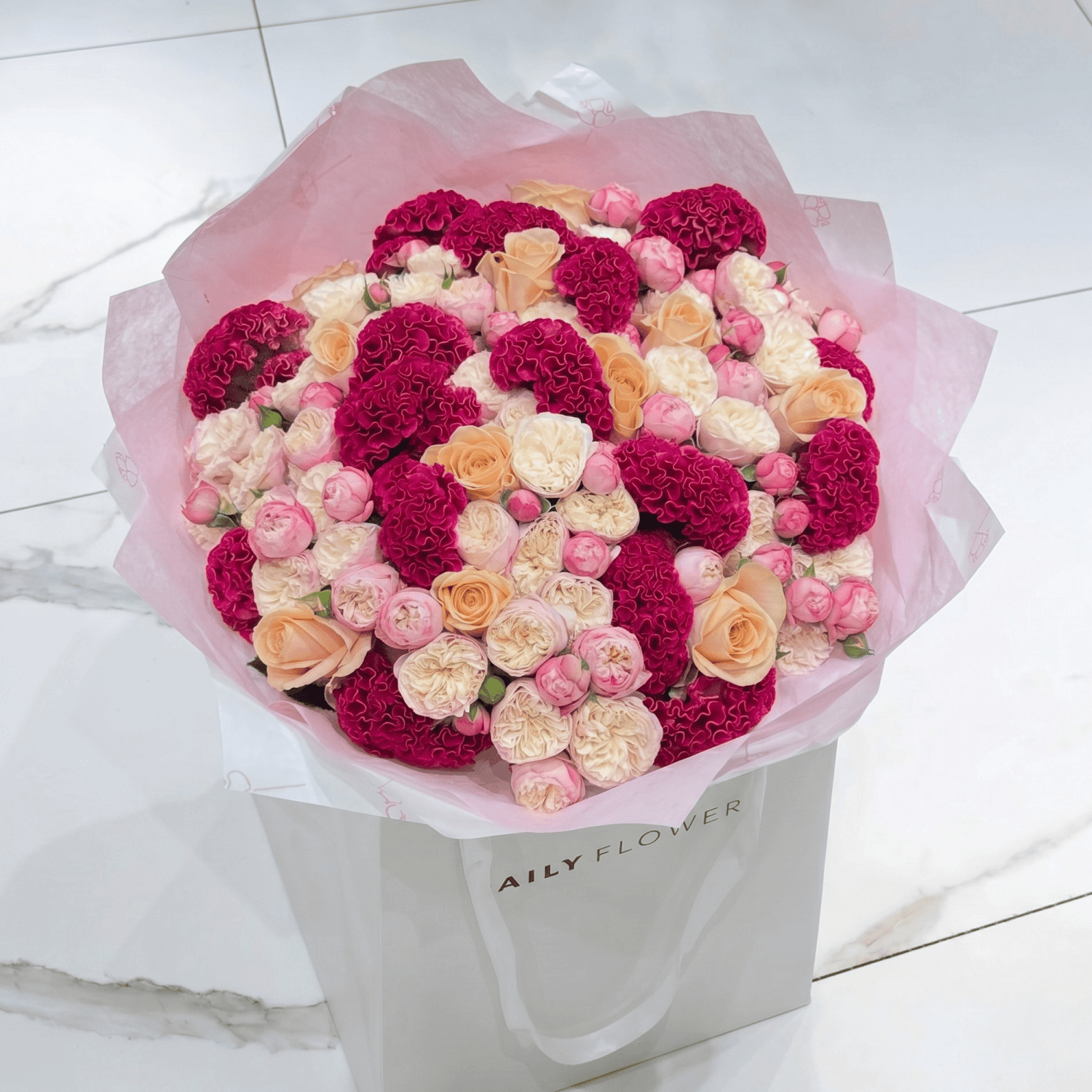
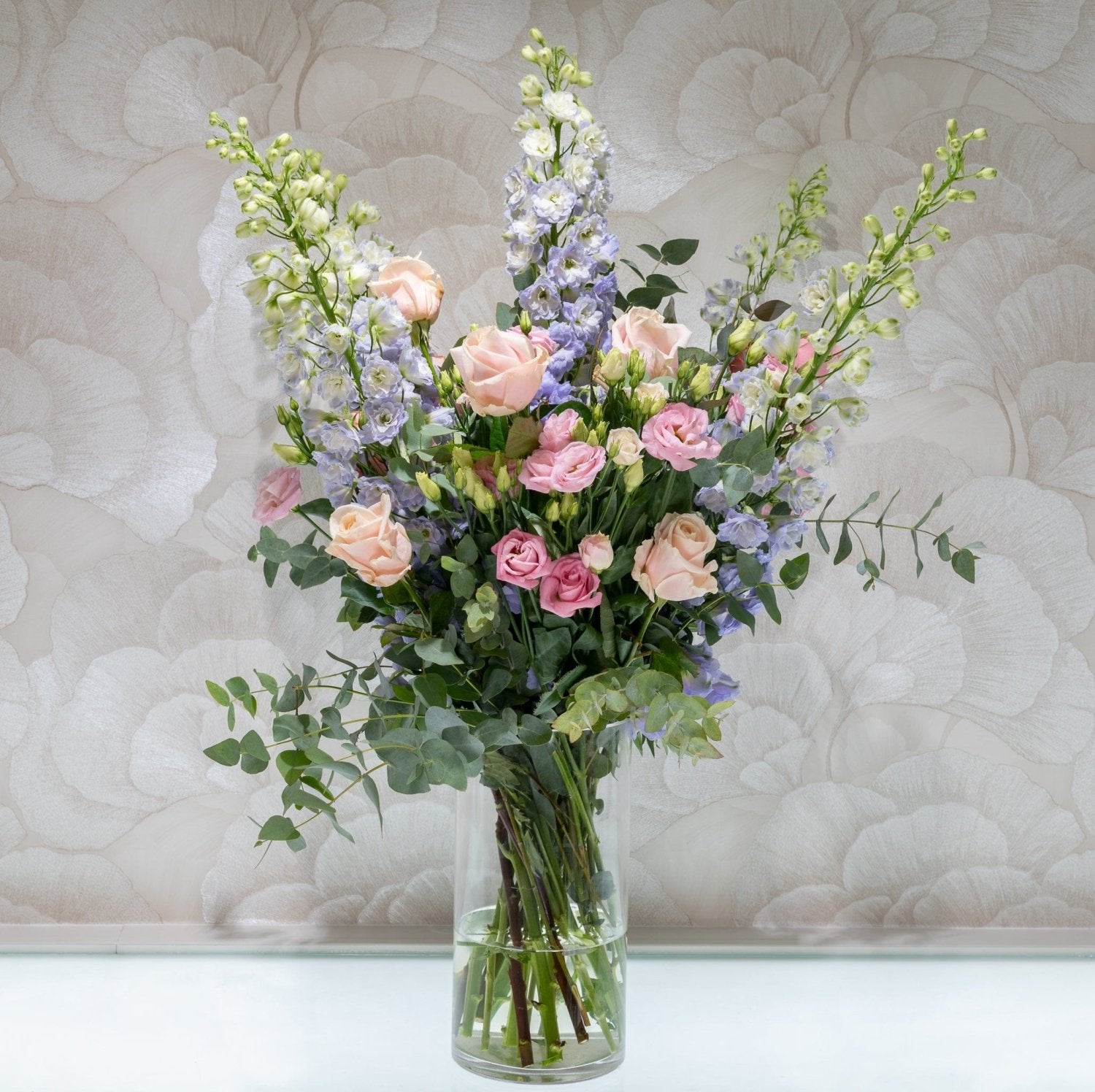
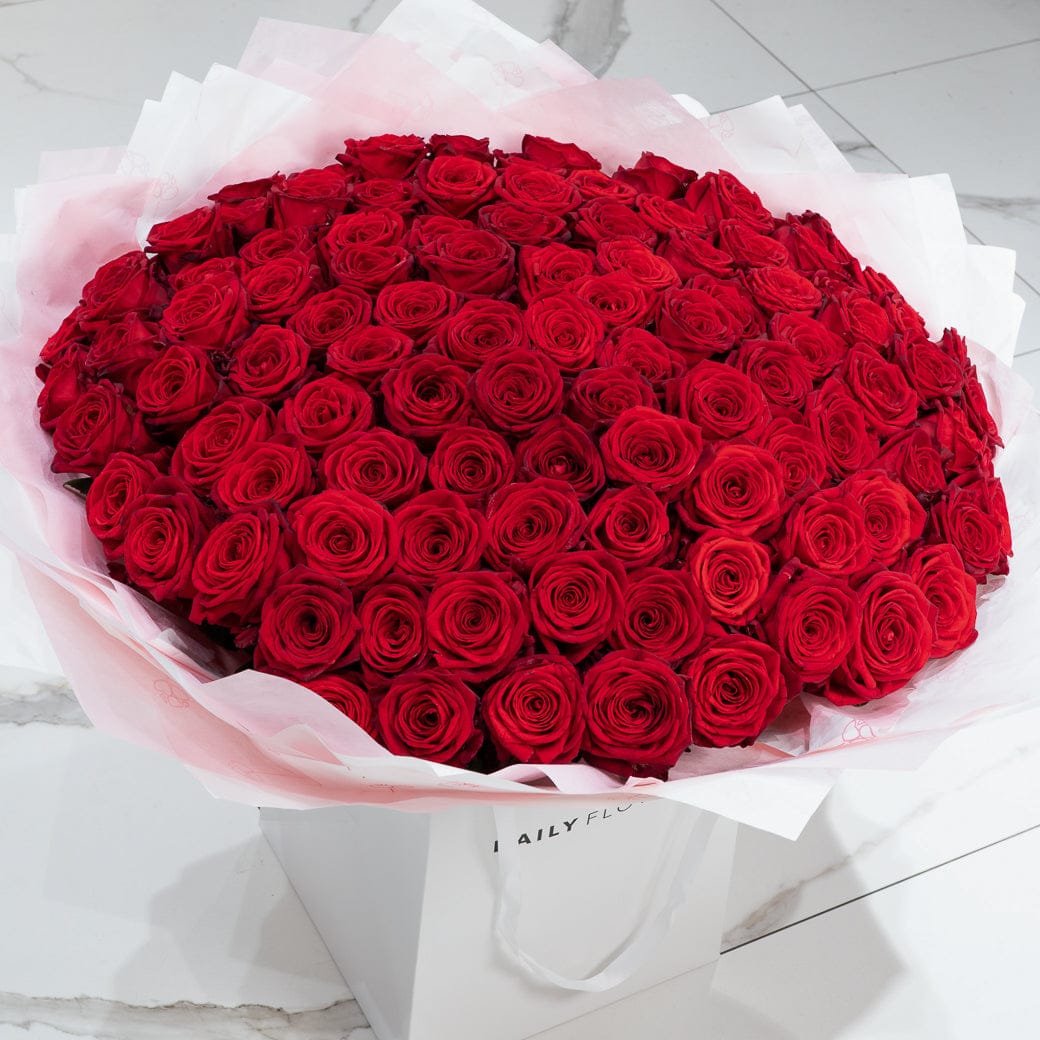
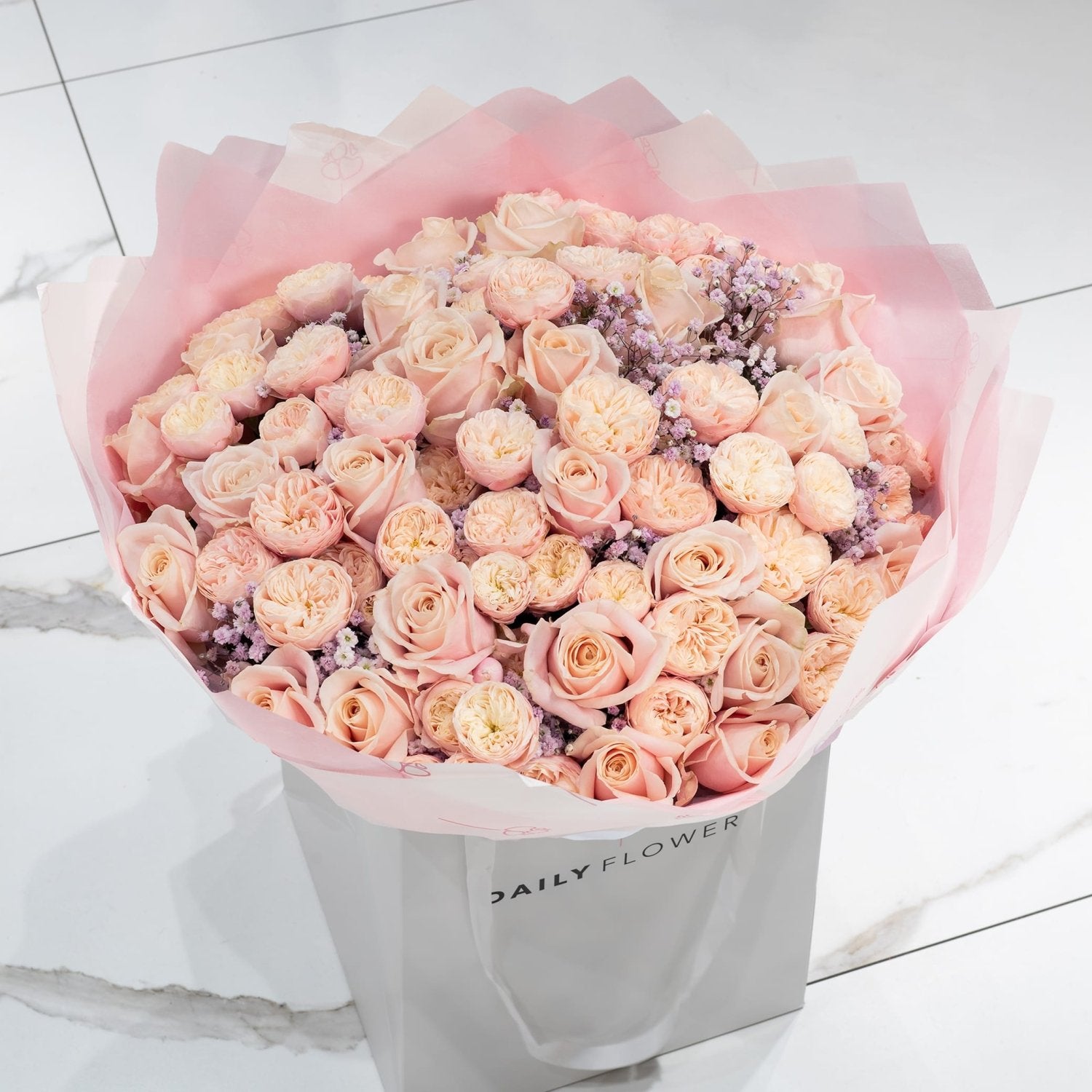
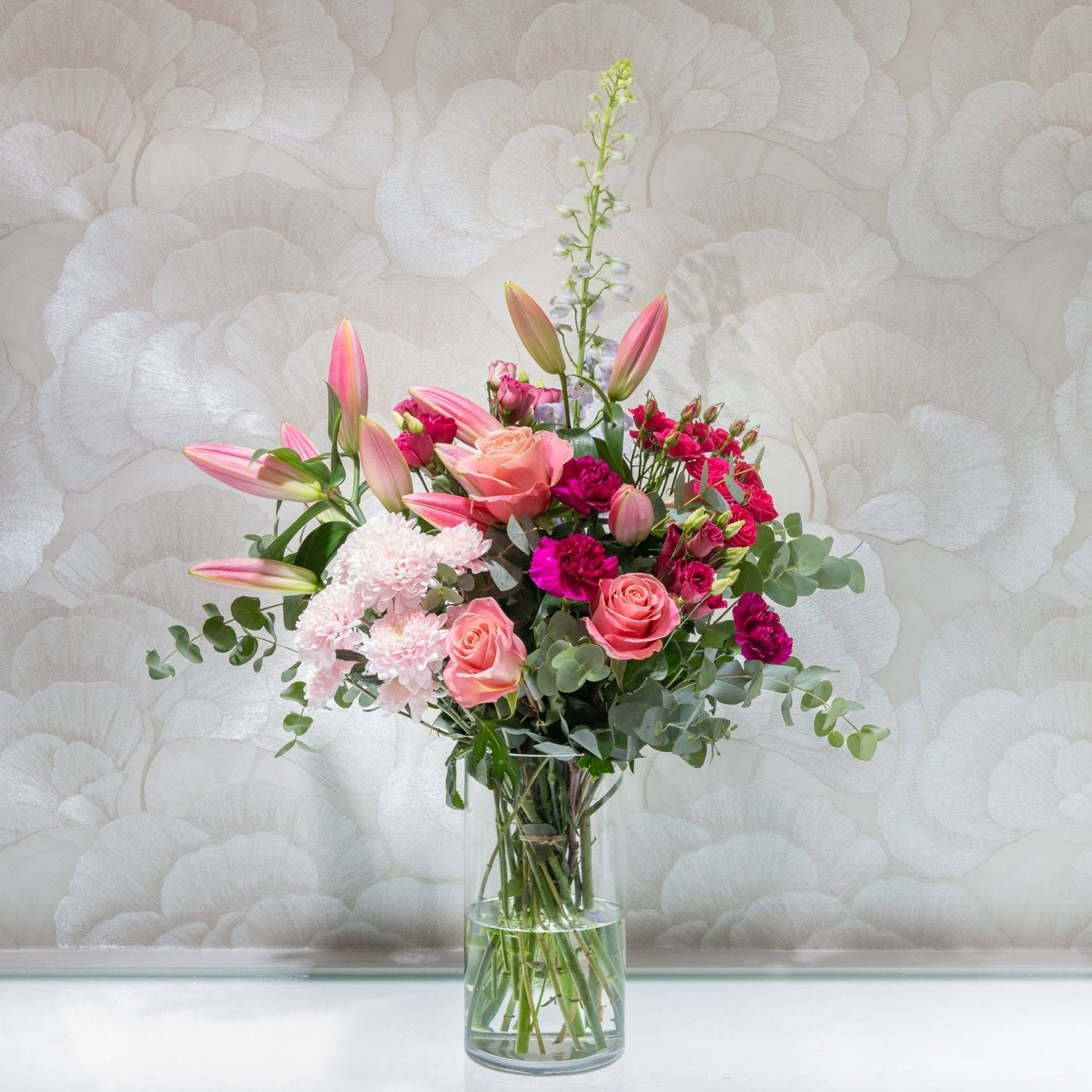
Browse our bouquets, each one shaped by the same patient training that competitors spend years perfecting, no clock or judge required, just a flower given the attention it deserves.
Share:
The Avalanche Rose: A Summer Classic in Soft White 🤍
Autumn Flower Trends: the colours this season wants